Dealing with dandruff and an itchy scalp can be quite uncomfortable and often embarrassing. Many people experience this common issue, which can stem from various factors like dry skin, sensitivity to hair products, or even conditions like seborrheic dermatitis. Fortunately, there are effective ways to manage and alleviate these symptoms, bringing comfort and confidence back to your hair care routine.
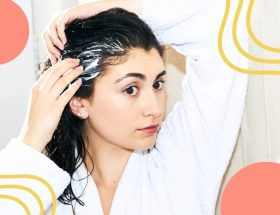
Choosing the right shampoo is essential. Look for anti-dandruff shampoos that contain active ingredients like zinc pyrithione, ketoconazole, or selenium sulfide. These ingredients target the root causes of dandruff, helping to reduce flaking and itching. Regular use of such shampoos can lead to noticeable improvements, but finding the right one might take some experimentation. It’s often helpful to alternate between different formulas to see which one works best for your scalp.
In addition to specialized shampoos, incorporating a gentle conditioner can help maintain moisture balance. A conditioner designed for sensitive scalps can soothe irritation and hydrate hair without adding more buildup. Applying conditioner primarily to the ends of the hair rather than the scalp can prevent excess oiliness while still providing necessary hydration.
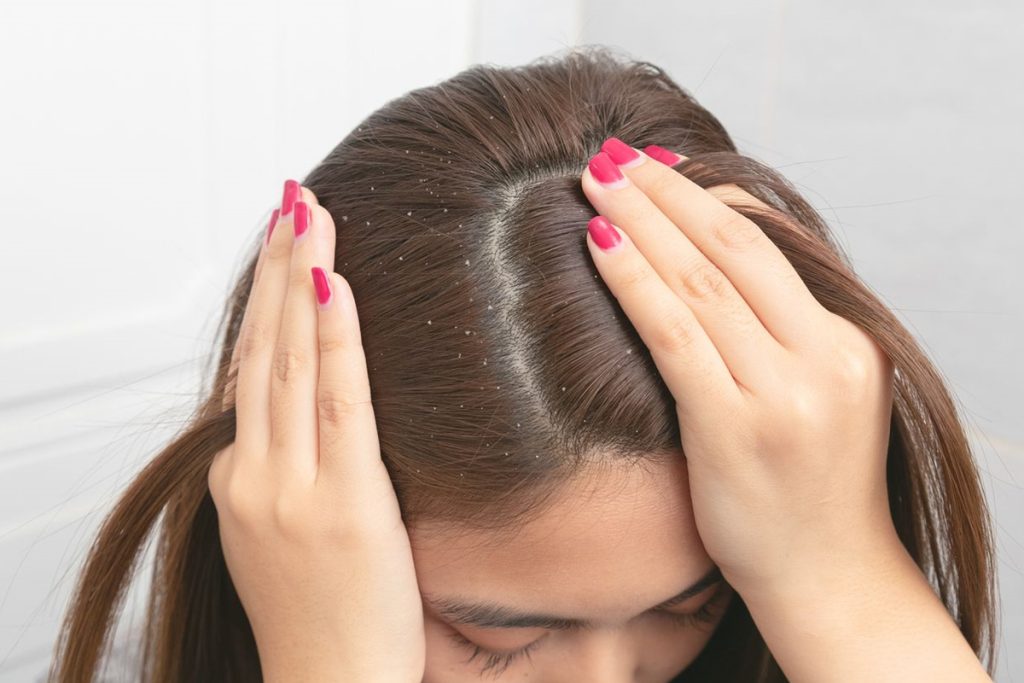
Maintaining proper scalp hygiene is also vital. Regular washing helps remove dead skin cells and excess oil, both of which can contribute to dandruff. However, over-washing can strip the scalp of natural oils, leading to dryness and irritation. Finding a washing routine that suits your hair type is key. For some, washing every few days works well, while others may find daily washing necessary.
Diet can play a significant role in scalp health. Consuming a balanced diet rich in vitamins and minerals can positively impact skin conditions, including dandruff. Foods high in omega-3 fatty acids, such as fish, walnuts, and flaxseeds, promote scalp hydration. Additionally, incorporating plenty of fruits and vegetables can provide essential nutrients that support overall skin health.
Stress management is another important factor. High stress levels can exacerbate dandruff and itching, leading to a vicious cycle. Engaging in relaxation techniques such as yoga, meditation, or even simple deep-breathing exercises can help reduce stress and its impact on the scalp. Finding enjoyable activities that promote relaxation can make a noticeable difference in overall well-being.
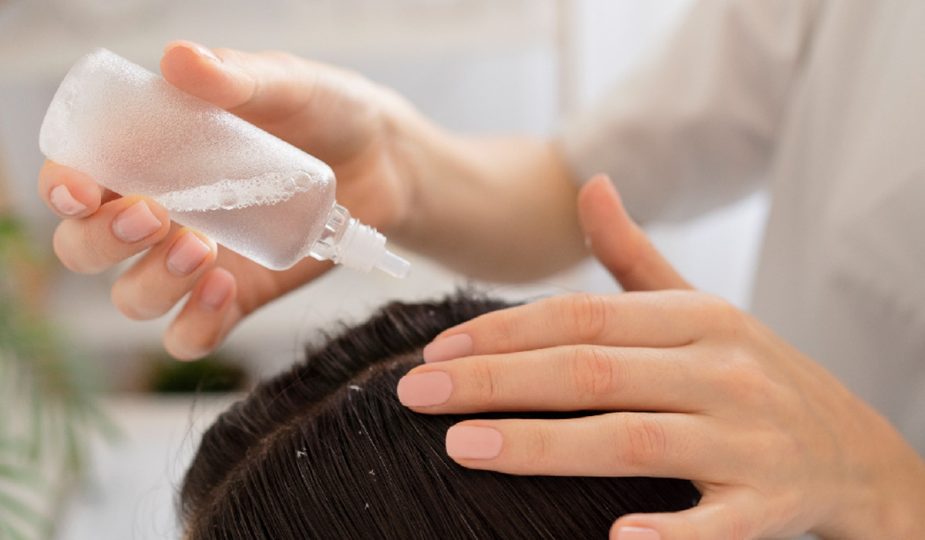
Natural remedies can also offer relief. Ingredients like tea tree oil have antifungal properties that can help combat dandruff. Diluting a few drops of tea tree oil in a carrier oil, such as coconut or olive oil, and massaging it into the scalp can provide soothing relief. Additionally, apple cider vinegar is known for its ability to balance scalp pH levels. Mixing equal parts apple cider vinegar and water and applying it to the scalp can help reduce itching and flaking.
Keeping hair accessories clean is often overlooked but essential. Dirty brushes and hair ties can harbor bacteria and oils that contribute to scalp irritation. Regularly cleaning these items can help maintain a healthier scalp environment. Additionally, avoiding tight hairstyles can prevent unnecessary tension on the scalp, reducing irritation and discomfort.
Consulting with a dermatologist is a wise step for persistent issues. They can provide tailored advice and may recommend prescription treatments to address severe dandruff or underlying skin conditions. Professional guidance can lead to effective solutions that significantly improve scalp health.
Finding relief from dandruff and itching involves a combination of the right products, lifestyle adjustments, and self-care practices. With a little patience and experimentation, it’s possible to achieve a healthier, more comfortable scalp. Embracing these strategies can restore confidence and make everyday life more enjoyable.