
Repairing damaged hair can feel like a daunting task, but with the right approach, it’s entirely possible to revive those locks and bring back their natural shine. Many factors contribute to hair damage, from heat styling and chemical treatments to environmental stressors. Embracing a few simple strategies can make a significant difference in restoring hair health.
Starting with a gentle cleansing routine is essential. Harsh shampoos can strip natural oils, leading to further damage. Opting for sulfate-free shampoos helps maintain moisture while effectively cleansing the scalp and hair. Washing hair less frequently can also help retain those essential oils, so consider extending the time between washes. When shampooing, focusing on the scalp rather than the ends ensures that hair remains nourished.
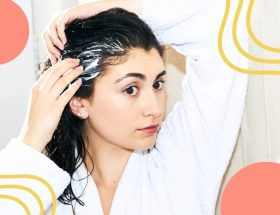
Conditioning is another vital step in hair repair. Deep conditioning treatments, used once a week, can work wonders for damaged hair. Look for products that contain ingredients like keratin, argan oil, or shea butter, as these can help restore moisture and strengthen hair. Applying conditioner from the mid-length to the ends allows for better absorption, ensuring that the most damaged areas receive the care they need.
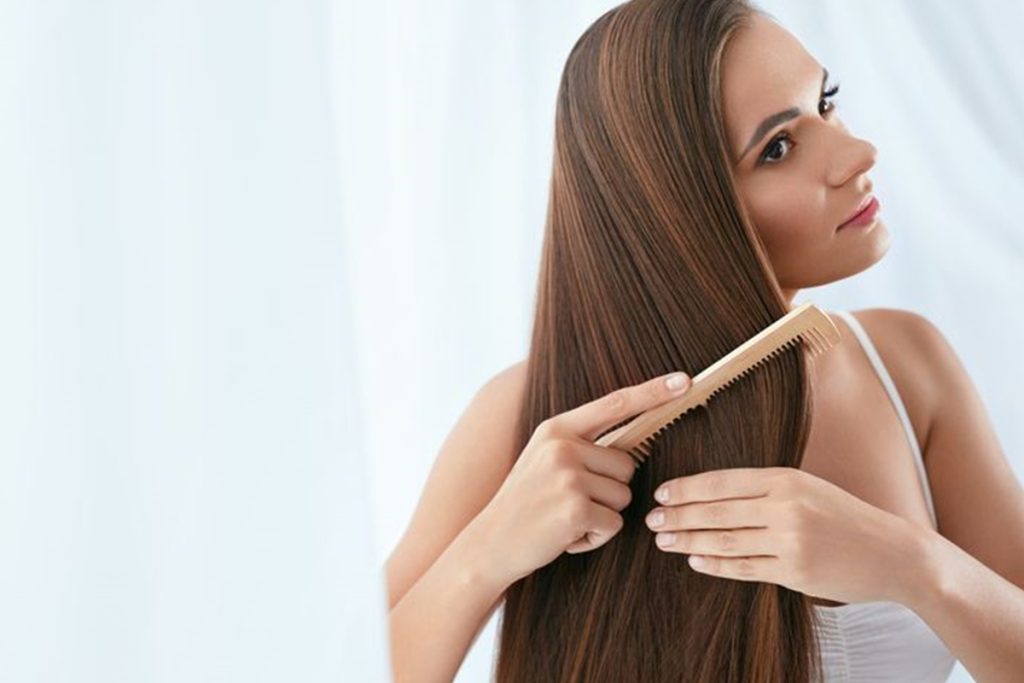
Heat styling tools can wreak havoc on hair, leading to dryness and breakage. Reducing the frequency of heat styling is an effective way to prevent further damage. When heat is necessary, using a heat protectant spray can shield hair from the damaging effects of high temperatures. Lowering the heat setting on tools like curling irons and straighteners can also help minimize damage while still achieving desired styles.
Incorporating hair oils into a routine can provide added nourishment. Natural oils like coconut oil, olive oil, and jojoba oil can penetrate the hair shaft, delivering moisture and promoting shine. Applying a small amount of oil to damp hair can help seal in moisture and protect against environmental damage. For those with particularly dry hair, using oils as a pre-shampoo treatment can provide an extra boost of hydration.
Regular trims play a significant role in hair repair. While it may seem counterintuitive, cutting off split ends can prevent further breakage and promote healthier growth. Scheduling trims every six to eight weeks can help maintain the overall health of hair and encourage a more polished appearance.
Diet also influences hair health, so focusing on nutrition is key. Consuming a balanced diet rich in vitamins and minerals can support hair growth and repair. Foods high in omega-3 fatty acids, such as salmon and walnuts, along with leafy greens and fruits, provide essential nutrients that promote healthy hair. Staying hydrated is equally important, as water plays a vital role in maintaining moisture levels.
For those looking for more intensive treatments, considering professional options can be beneficial. Treatments like keratin therapy or deep conditioning treatments at a salon can provide immediate results. Consulting with a stylist can help tailor a plan that suits individual hair needs, ensuring the